Style & Inspiration
PDF vs Paper Sewing Patterns: Which Is Better in 2026?
It is the question every new sewist asks before their first purchase: is a PDF pattern really as good as the paper one from the fabric shop? Short answer — for most makers in 2026, yes, and it is not close. But “most makers” is doing some work there, so let’s compare honestly.
The 10-second answer
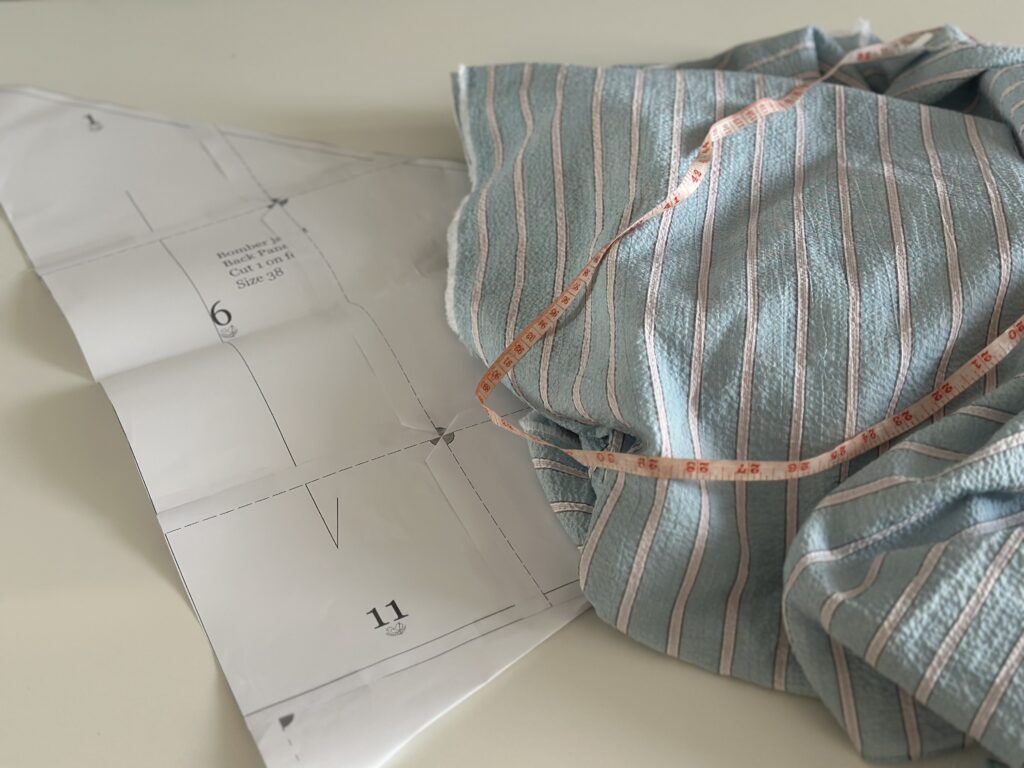
A PDF sewing pattern is a digital file you download, print at home on A4 (or at a copy shop on A0), tape together, and use exactly like a paper pattern. You get it instantly, you can reprint it forever, and it usually costs less. A paper pattern arrives pre-printed, needs no assembly, and suits people who dislike taping or have no printer.
If you own a printer and can spare 20 minutes of taping, PDF wins on price, storage, and reprint freedom. If taping sounds like your personal nightmare, paper is still a perfectly good choice.
What you actually get with a PDF pattern
Modern PDF patterns are not a file of scanned pages. A good one includes:
- Layered files — you print only your size, so assembly takes minutes instead of an hour of tracing.
- Instant download — you buy at 9pm and are cutting fabric by 9:20.
- A0 copy-shop files — one big sheet printed at a print shop for zero taping, often for a euro or two.
- Reprints forever — spill coffee on the bodice piece? Print it again. Child outgrows the size? Print the next size. Try that with paper.
- Detailed instructions with photos — indie PDF patterns typically teach far more thoroughly than Big Four paper envelopes.
If you have never assembled one, our full walkthrough — how to print and assemble a PDF sewing pattern — covers A4 and A0 step by step. It is easier than it sounds, and the post exists precisely because every PDF buyer asks this once.
What paper patterns still do better
- No assembly at all. Open the envelope, pin, cut. That is a genuine convenience.
- No printer or taping required. If you sew but don’t own a printer, print-shop A0 solves this — but a paper pattern solves it without any step.
- Gift-ability. A physical envelope is a nicer present than a download link.
That is, honestly, about the whole list. Paper patterns are usually pricier, you cannot reprint them, they require shipping (and waiting), and a lost or damaged piece is gone for good.
The cost comparison, in real numbers
An indie paper pattern typically costs more than its PDF equivalent once you add shipping — and then there is the print cost on the PDF side: roughly 20–40 A4 pages per pattern, which is a few cents in ink and paper. The copy-shop A0 route usually costs less than paper-pattern shipping alone. Over a wardrobe of ten makes, the PDF route saves real money and you never pay shipping twice for the same pattern in a new size.
The one real trade-off: taping
Taping A4 pages together is the part people dread, so here is what actually makes it painless:
- Use layered files and print only your size — fewer pages, less taping.
- Trim only two edges (or use the overlap marks and skip trimming entirely).
- Row by row, not piece by piece: assemble the full grid first, then cut your pieces from it.
- Or outsource it: send the A0 file to any print shop and receive one ready-made sheet.
Done this way, assembly is a 15–20 minute job you do once per pattern — and since PDF files never wear out, it is the last time you will ever “buy” that pattern.
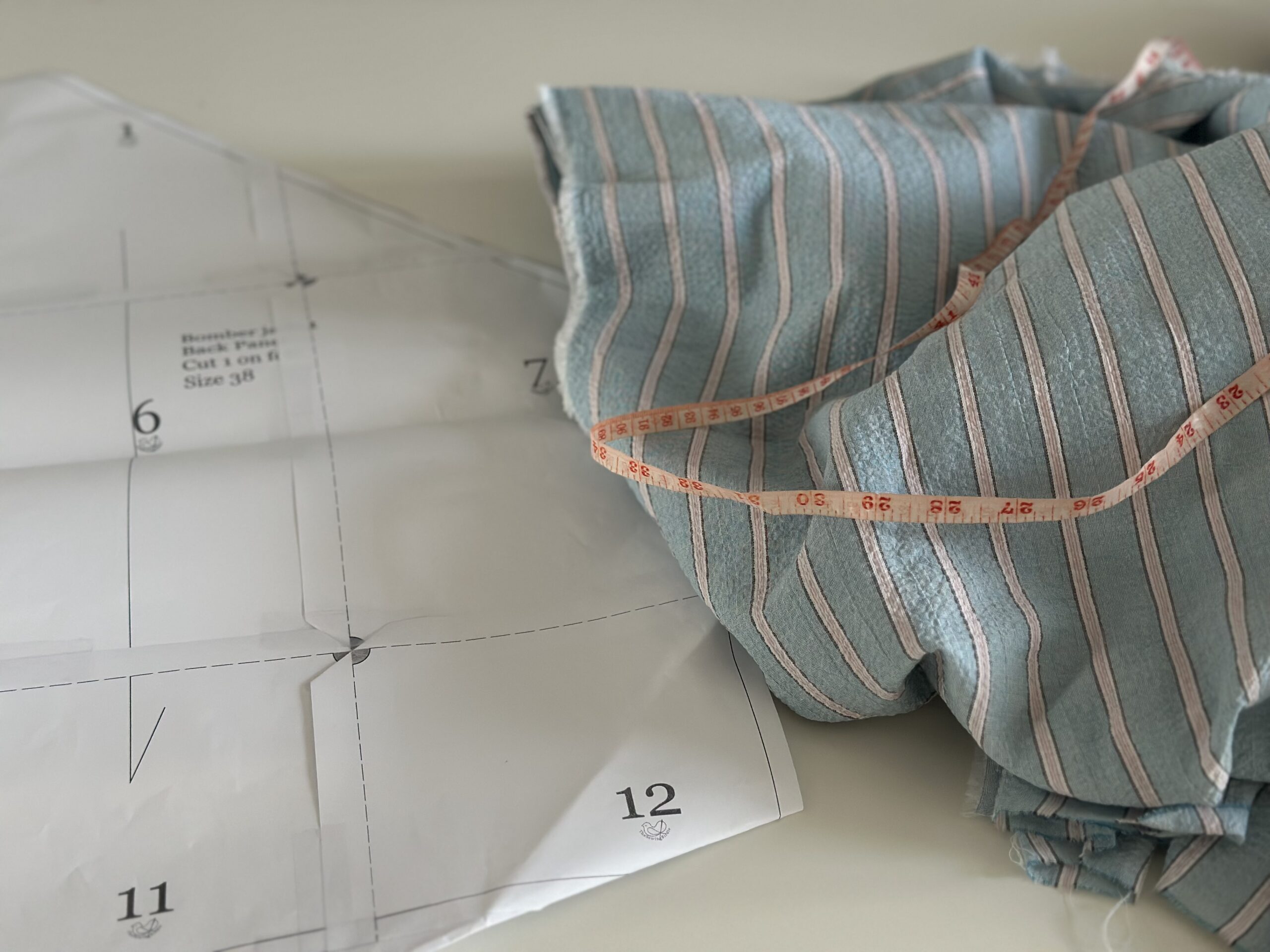
So which is better in 2026?
Choose PDF if you want instant delivery, lifetime reprints, layered sizes, lower cost and detailed teaching — which covers most home sewists, and especially beginners who will move between sizes as their skills grow. Choose paper only if you truly refuse to tape or print, or you are buying a gift for someone offline.
Every pattern in the The Sewing Birdie pattern shop is a layered instant-download PDF with A4 and A0 files included, sized US 0–18, with video sew-alongs for the trickier makes. If you want to try before you buy anything, the free Sundress pattern is a full, real pattern — not a teaser — and our beginner’s guide to sewing your first skirt shows what a first PDF-pattern project looks like from download to finished garment.
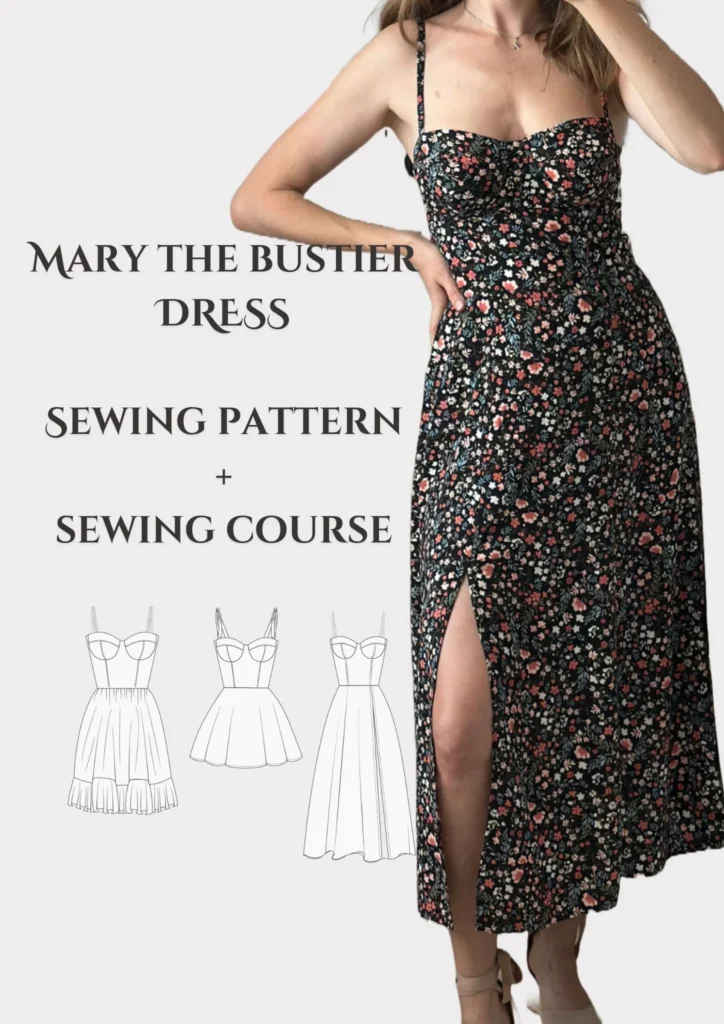
For the ambitious end of PDF patterns, the Bustier Dress Sewing Course proves the format can carry even advanced techniques: 12 cup sizes, foam cups and boning, all delivered as files you print at home and keep forever.
Start with a free PDF pattern
The fastest way to answer this question for yourself is to sew one. Get the free Sundress pattern → — download it tonight, print it on A4, and see whether the PDF workflow fits how you sew. Most makers never go back.